Bring Back to Life Your Appliances: Professional Repair Services for a Hassle-Free Home
In every home, appliances serve a crucial function in daily routines. When they break down, the ensuing disruption can be both frustrating and troublesome. Expert repair services can rejuvenate these critical machines, ensuring they function efficiently once again. Understanding when to obtain professional help and what the repair process involves can substantially impact both the longevity of appliances and household harmony. Investigating these factors can provide beneficial insights for maintaining a seamless home environment.
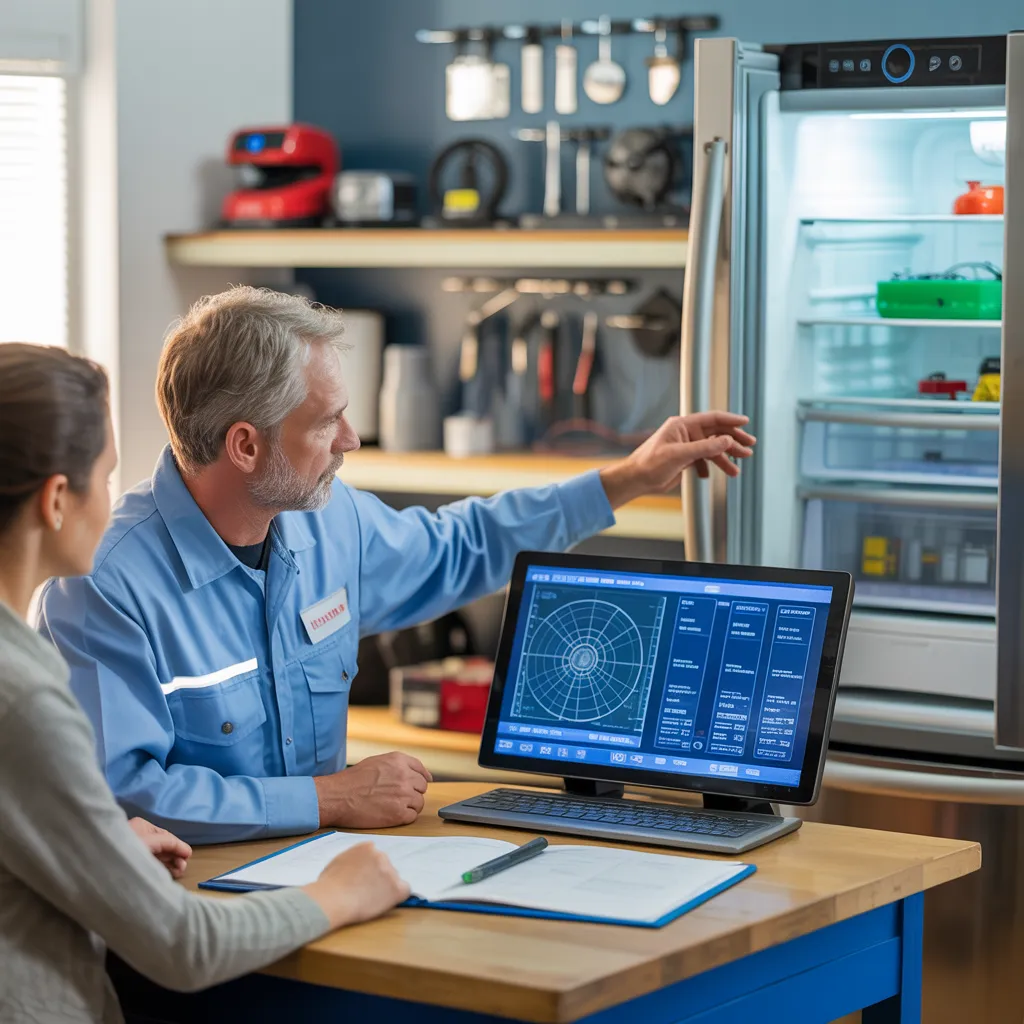
Home Appliances That Often Experience Breakdowns
Household appliances play an important role in daily life, yet numerous ones are susceptible to breakdowns. The most frequent offenders include refrigerators, which can face problems like inconsistent temperatures or inadequate cooling. Clothes washers likewise experience frequent essential resource failures, commonly due to issues with the barrel, engine, or water removal mechanism. Dishwashers, though practical, may encounter malfunctions such as leaks or clogged filters, causing poor washing performance. Ranges and cooktops can be problematic as well; troubles with thermal units or lighting systems are not uncommon. Microwaves, though often taken for granted, can suffer from damaged door mechanisms or failing electronic boards. Additionally, HVAC systems, vital for maintaining comfortable living environments, may break down due to exhausted elements or refrigerant escape. Every one of these machines, essential to contemporary life, underscores the necessity of prompt servicing and fixes to maintain sustained operation and productivity.
Signs When Your Home Appliance Needs Expert Repair
Recognizing the signs that an appliance needs specialist repair can stop further complications. Unusual noises and the presence of warning lights are important signals of underlying issues. Addressing these signals swiftly can protect both time and money in the long run.
Abnormal Sounds Point to Issues
When appliances begin to emit unusual noises, it often signifies internal malfunctions that need prompt action. These sounds can range from grinding and rattling to buzzing and hissing, each pointing to specific issues. As an illustration, a washing machine that produces a loud thumping noise may indicate an unbalanced load or worn-out bearings. In the same way, a refrigerator that hums excessively might be dealing with a failing compressor. Overlooking these sounds can cause more significant damage and costly repairs later on. As a result, it is crucial for homeowners to detect these auditory warnings and seek expert repair services. Tackling the source of unusual noises promptly not only extends the appliance's lifespan but also maintains maximum efficiency in the home.
Caution Lights Are Displayed
Unusual noises are not the only indicators that an appliance may be malfunctioning; warning lights can also signal the need for expert repair. When an appliance displays a warning light, it typically indicates an issue that requires immediate attention. For instance, a blinking light on a washing machine may suggest an imbalance, while a refrigerator's temperature warning light can point to cooling problems. Ignoring these signals can lead to further damage and costly repairs. Homeowners should pay close attention to their appliances' warning lights, as they serve as vital alerts for potential failures. Seeking expert repair services promptly can guarantee the appliance is restored to peak functioning, ultimately preventing inconvenience and additional expenses.
Why Hire Professional Appliance Repair Professionals?
Hiring professional appliance repair technicians can substantially enhance the performance and longevity of household appliances. These experts possess specialized knowledge and experience, enabling them to accurately diagnose issues that may be challenging for homeowners to identify. They are equipped with the right tools and replacement parts, ensuring repairs are conducted proficiently and competently.
Furthermore, professional technicians remain updated on the latest tech developments and trends in appliance repair, which can be crucial for modern equipment. By handing over repairs to skilled professionals, homeowners can sidestep the risks associated with DIY attempts, such as further damage or safety hazards.
Additionally, hiring qualified technicians can conserve time and minimize stress, as they can rapidly resolve issues and offer valuable maintenance advice. Finally, obtaining the assistance of professional appliance repair technicians not only restores functionality but also supports the overall quality of the home environment.
Locating the Right Repair Service for Your Appliance Requirements
Discovering the right repair service for appliance needs can substantially impact the efficiency of repairs. Consumers should make a priority of researching local repair services, as proximity can influence response times and convenience. Online reviews and testimonials deliver perspective into customer satisfaction and service quality, helping individuals to make informed decisions. It is also important to confirm the credentials and experience of technicians, confirming they are qualified to handle certain appliance brands and models.
Additionally, getting multiple quotes can aid in comparing prices and services, maintaining transparency in costs. A trustworthy service should provide warranties on both parts and labor, indicating confidence in their work. Communication is another important factor; a reliable repair service should provide clear explanations of issues and available solutions. In summary, taking the time to select a reliable repair service can bring about more efficient repairs and a better overall experience for homeowners.
What Happens During the Repair Process?
During the repair process, technicians begin with an initial diagnosis to determine the appliance's issues. Subsequently, required parts are replaced to restore functionality. Finally, a testing phase verifies that the appliance works correctly before it is returned to the owner.
Initial Diagnosis Procedure
An extensive initial diagnosis is critical for effective appliance repair, as it creates the foundation for identifying issues accurately. During this procedure, a qualified technician will assess the appliance to gather relevant information about its performance and any symptoms reported by the homeowner. This involves a visual inspection, checking for unusual noises, smells, or leaks, and testing various operational functions. Technicians may use specialized diagnostic tools to identify malfunctions and may also consult the appliance's manual for troubleshooting guidelines. This systematic approach facilitates understanding the underlying problems and enables the technician to formulate a clear repair strategy. Ultimately, an accurate diagnosis not only optimizes the repair process but also helps avoid future issues, ensuring peak appliance performance.
Parts Replacement Process
Once confirming the diagnosis, the technician initiates the parts replacement process by collecting the required components for the repair. This includes guaranteeing that all parts are compatible with the specific appliance model. Once the components are gathered, the technician meticulously disassembles the appliance, taking care to document the arrangement of removal for reassembly. Each part is assessed for wear or damage, and the faulty components are replaced methodically. The technician follows safety protocols throughout, disconnecting power sources and applying appropriate tools. After installation, the technician confirms all connections are secure and that the new parts are functioning appropriately. This systematic approach helps to restore the appliance's performance, ensuring reliability and longevity.
Ultimate Testing Phase
Once the parts replacement process is completed, the focus shifts to the final testing phase. During this crucial phase, technicians turn on the appliance to verify that it functions as expected. They watch its functionality attentively, looking for any strange noises or malfunctions. Key tests may include confirming temperature settings in refrigerators or running cycles in washing machines. Technicians also inspect the proper integration of new components, verifying they interact seamlessly with existing parts. If any problems occur, further adjustments or troubleshooting are performed. This comprehensive assessment assures that the appliance is reliable, optimal, and ready for use. Concluding the final testing stage allows customers to enjoy peace of mind, knowing their appliances have been professionally repaired and are in perfect working condition.
Repair Expenses: Does It Make Sense?
How can you decide if appliance repair expenses are worthwhile? Assessing repair costs entails examining several key factors. First, assess the appliance's age; generally speaking, if it's beyond half its expected life, replacement may prove more economical. Furthermore, compare the repair estimate with new appliance prices, because standard practice suggests repairs costing above 50% of replacement value may be unjustified. Moreover, consider how often previous repairs have been needed; devices needing frequent fixes within a brief timeframe typically indicate replacement is necessary. In conclusion, analyzing the appliance's energy performance can deliver sustained savings that could balance out repair costs. To conclude, a careful analysis of age, repair frequency, and cost comparison is essential in deciding whether repairing an appliance is financially prudent.
How to Maintain Your Appliances to Avoid Breakdowns
Appliance repairs often result in substantial expenses, making maintenance a proactive approach to avoid breakdowns. Routine maintenance of appliances both extends their longevity and improves performance. Basic maintenance activities, like cleaning fridge coils and ensuring adequate airflow for dryers, work to stop excessive heat buildup and component malfunctions.
Homeowners should also check and replace filters in cooling systems and dishwashers to keep maximum effectiveness. Furthermore, checking hoses and connections for leaks can avert water damage and costly repairs.
Planning annual professional maintenance can reveal potential issues before they escalate, permitting for timely interventions. Moreover, following manufacturer guidelines for use and care helps guarantee appliances operate smoothly.
Common Questions
How Long Do Appliance Repairs Typically Take?
Appliance fixes generally take between 1 to multiple hours, according to the problem's complexity. Basic repairs may be resolved quickly, while more involved repairs could demand more time for component replacement and labor.
Can I Fix My Appliance by Myself Rather Than Using a Professional Service?
People can repair their own appliances if they possess the appropriate skills and tools. However, without sufficient knowledge, attempting such repairs may result in further damage or safety concerns, making expert help a safer choice.
What Warranty Coverage Do Appliance Repair Services Provide?
Appliance repair professionals usually include warranties that cover parts and labor for a particular timeframe, often ranging from 30 days to one year. These warranties guarantee customer satisfaction and shield from potential complications stemming from the repair.
Are Spare Parts Included in the Repair Cost?
Parts are normally excluded from the repair charge. Repair companies generally list parts as an additional cost, with expenses varying by appliance model and required elements, ensuring customers are aware of total expenses upfront.
How Do I Avoid Future Appliance Breakdowns?
Regular maintenance, including cleaning, proper usage, and timely inspections, greatly reduces the probability of future appliance failures. Additionally, complying with manufacturer recommendations and promptly fixing minor issues can lengthen the life expectancy of household appliances substantially.